

BosniaFacts Logo
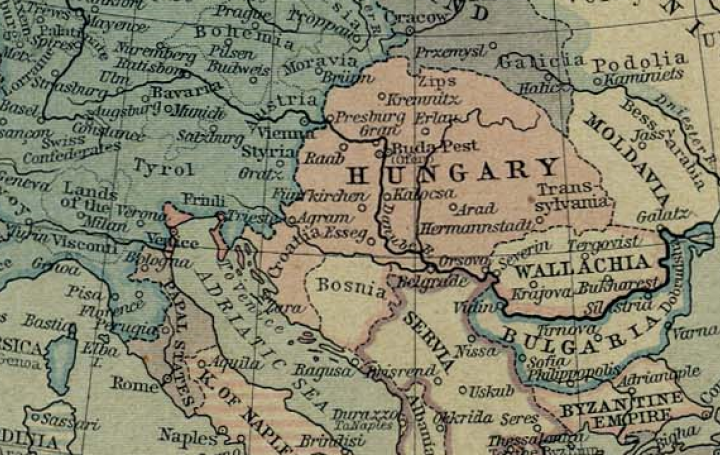
  • Historical Maps

    Historical Maps

    A collection of historical maps covering the Bosnian (and Herzegovinian) history from its beginning to our days. The following is a list of maps published in various historical atlases.
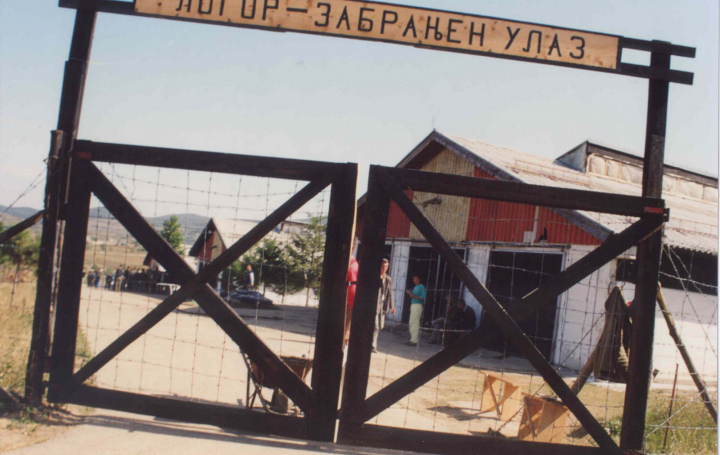
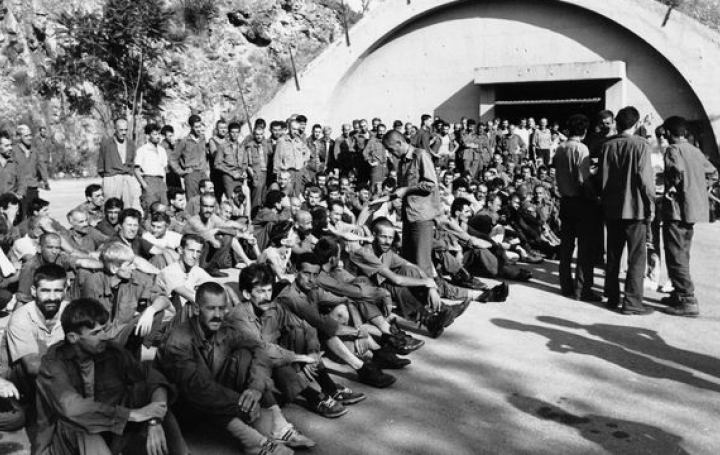
  • Serb held concentration camps

    Serb held concentration camps

    Multimedia map covering locations of the Serb held concentration camps in Bosnia and Herzegovina, Montenegro and Serbia.
  • Croat held concentration camps

    Croat held concentration camps

    Multimedia map covering locations of the Croat held concentration camps in Bosnia and Herzegovina.

Medieval II Total War - Kingdom of Bosnia Mod

Srebrenica

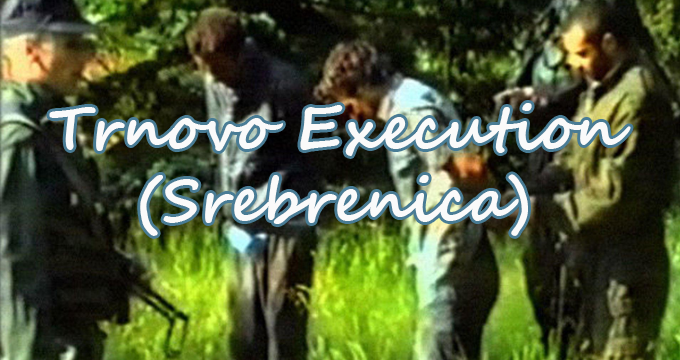
Trnovo Execution Video (Srebrenica)


The cold-blooded killings, which occurred in the village of Trnovo after the fall of the eastern enclave of Srebrenica, were video-taped by the Scorpions, who can be seen laughing, smoking and taunting their

Read more

Srebrenica school playground shelling (12. April 1993)


On 12 April 1993 a Army of Republika Srpska (VRS) artillery attack of two short bombardments on Srebrenica left 56 dead, including children, and 73 seriously wounded. Shells dropped on the densely packed streets

Read more

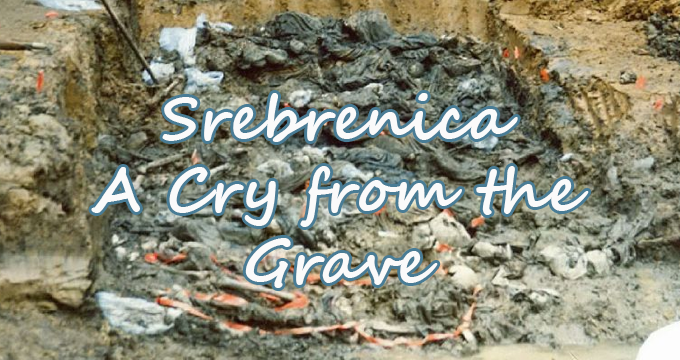
Srebrenica - A Cry from the Grave


Srebrenica, Bosnia, the world's first United Nations Safe Area, was the site of the worst case of genocide in Europe since World War II. In July 1995, the Bosnian Serb army staged a brutal takeover of the

Read more

Early History

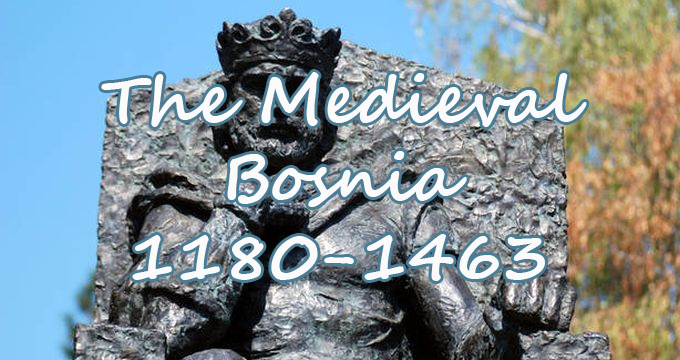
The Medieval Bosnia 1180-1463


The history of Bosnia in the high middle ages is frequently confused and confusing. But three powerful rulers stand out: Ban Kulin (who ruled from 1180 to 1204), Ban Stephen Kotromanić (1322-1353) and King Stephen

Read more

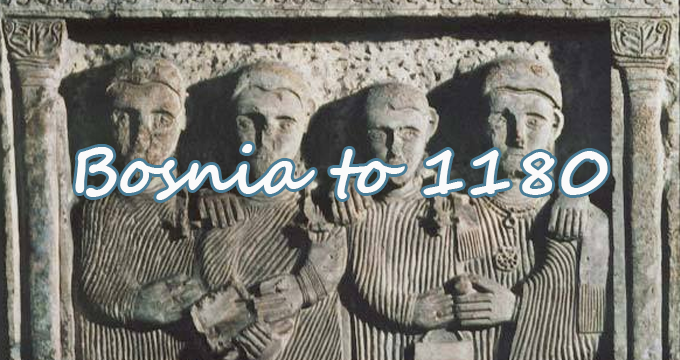
Bosnia to 1180


Racial history is the bane of the Balkans as anyone who has lived or travelled in this part of Europe will know, there is no such ting as a racially homogeneous province there, let alone a racially

Read more

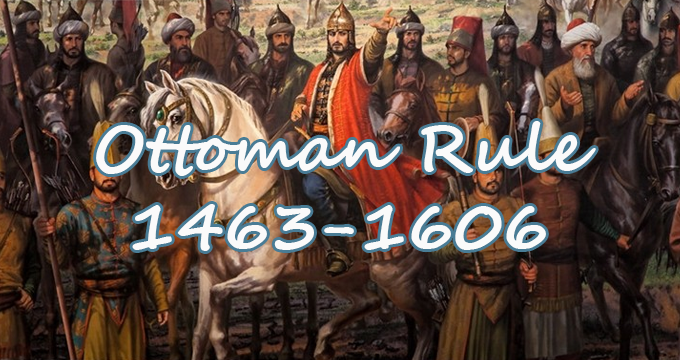
Ottoman Rule 1463-1606


The Kingdom of Bosnia was conquered with great speed by the Turkish army in the early summer of 1463. From then on the heart lands of the old Banate of Bosnia, together with the foothold which the Turks had already

Read more

Modern History

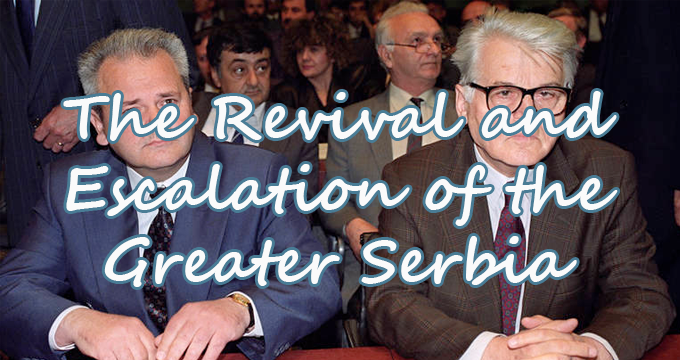
The Revival and Escalation of the Greater Serbia


The Serbian intellectual, political, and military leadership had kept itself in place by abusing the name “Yugoslavia”, by way of which, since as early as 1918, it had enjoyed full supremacy over this

Read more

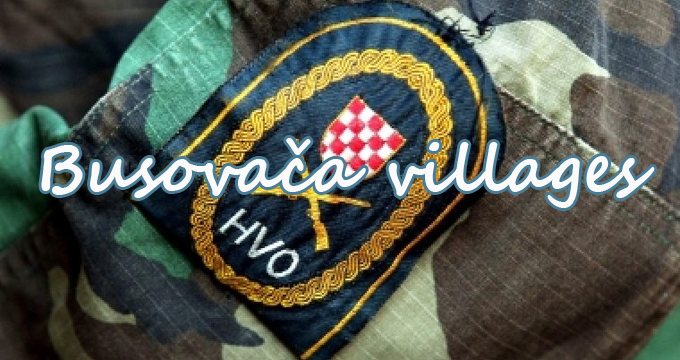
Busovača villages


The villages of Lončari, Merdani and Putiš are in the area to the east of Ahmići and north of Busovača. After the attacks on the villages in January 1993, a significant number of the civilian population went to

Read more

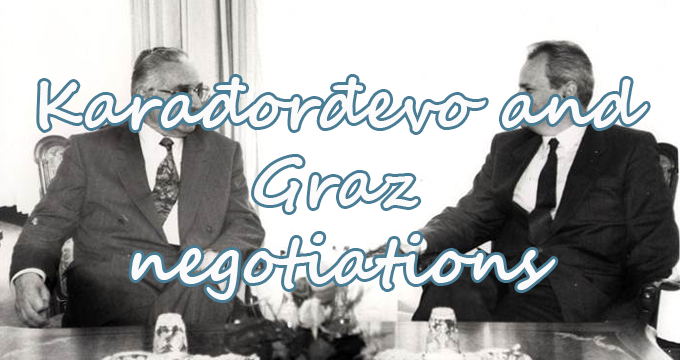
Karađorđevo and Graz meetings/negotiations


The nationalist leadership of the Republic of Croatia, headed by Franjo Tudjman, had had aggressive territorial aspirations towards Bosnia and Herzegovina, making an effort to have Croatia occupy at least the territories of

Read more

Current Affairs

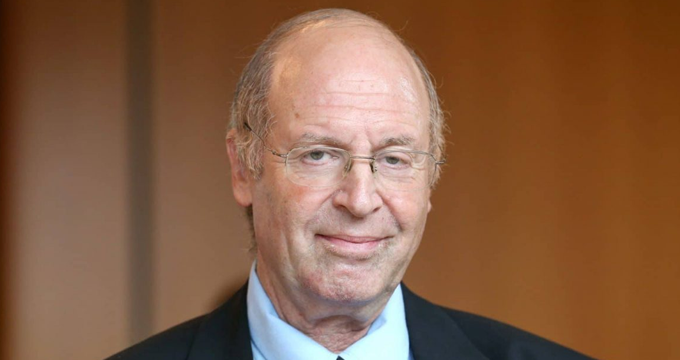
Gideon Greif: ... after a thorough investigation... that neither the individual crime of genocide nor genocide in general took place in Srebrenica


Israeli academic Gideon Greif was the head of the Independent International Commission of Inquiry (Greif Report). The commission was set up at the initiative of Milorad Dodik (Serb nationalist leader), a former prime

Read more

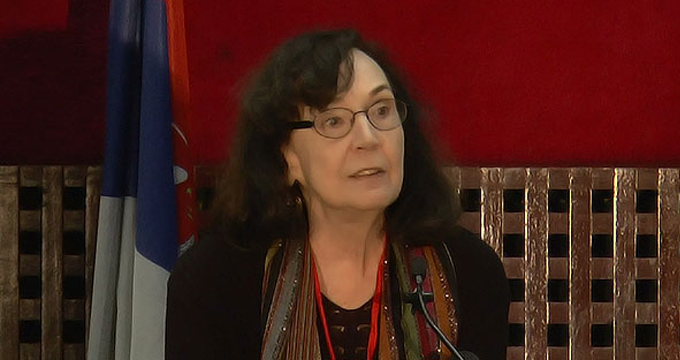
Diana Johnstone: “Denying” the Srebrenica Genocide Because It’s Not True


Well, I am very much a genocide denier, and I’m proud of it and I can say why. Yes, because what happened was not a genocide. Note that denying “genocide” means denying an interpretation, not the facts, whatever they are.

Read more

Croatian President Zoran Milanović receives convicted war criminal General Tihomir Blaškić


The President of the Republic Zoran Milanović received in his Office retired officers and wartime commanders of the Croatian Defence Council (HVO), including General Tihomir Blaškić a wartime Commander

Read more


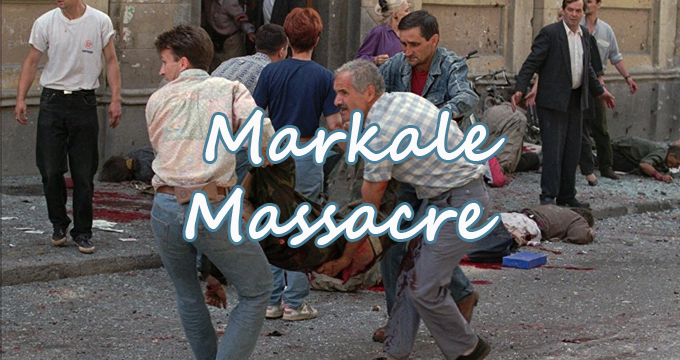
This was the first massacre that occurred at the Markale (market) located in the historic core of Sarajevo, the capital of Bosnia and Herzegovina. In the first massacre at the "Markale" market on the 05. February 1994, following civilians were killed: Senad Arnautović, Ibrahim Babić, Mehmed Baručija, Ćamil Begić, Emir Begović, Vahida Bešić, Gordana Bogdanović, Vaskrsije Bojinović, Muhamed Borovina, Faruk Brkanić, Sakib Bulbul, Jelena Čavriz, Almasa Čehajić, Zlatko Čosić, Alija Čukojević, Verica Ćilimdžić, Smilja Delić, Ifet Drugovac, Dževad Durmo, Fatima Durmo, Kemal Džebo, Ismet Fazlić, Vejsil Ferhatbegović, Dževdet Fetahović, Muhamed Fetahović, Ahmed Fočo, Majda Ganović, Isma Gibović, Rasema Hasanović, Alija Hurko, Mirsada Ibrulj, Mustafa Imanić, Rasema Jažić, Razija Junuzović, Hasija Karavdić, Mladen Klačar, Marija Knežević, Selma Kovač, lbro Krajčin, Sejda Kunić, Jozo Kvesić, Numo Lakača, Ruža Malović, Jadranka Minić, Safer Musić, Nura Odžak, Mejra Orman, Hajrija Oručević, Seid Prozorac, Smajo Rahić, Igor Rehar, Rizvo Sabit, Zahida Sablja, Nedžad Salihović, Hajrija Smajić, Emina Srnja, Džemo Subašić, Šaćir Suljević, Hasib Šabanović, Ahmed Šehbajraktarević, Bejto Škrijelj, Junuz Švrakić, Pašaga Tihić, Munib Torlaković, Ruždija Trbić, Džemil Zečić, Muhamed Zubović and Senad Žunić in total 68 were killed and 144 civilians were wounded.

Also know as Markale 1.


Tags: Serbian agression, Markale, Markale Massacre

If you like our work and would like to support it, please consider becoming a patron. Thank you!