
Srebrenica
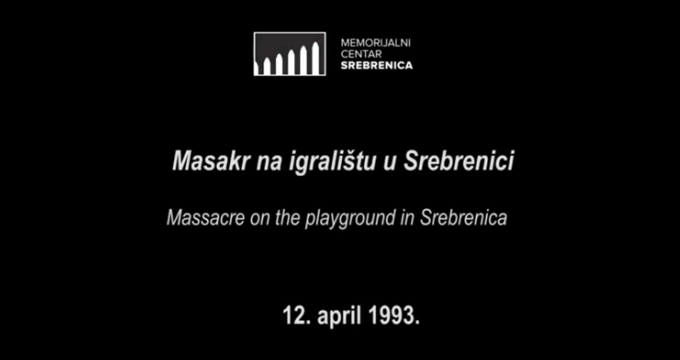
On 12 April 1993 a Army of Republika Srpska (VRS) artillery attack of two short bombardments on Srebrenica left 56 dead, including children, and 73 seriously wounded. Shells dropped on the densely packed streets
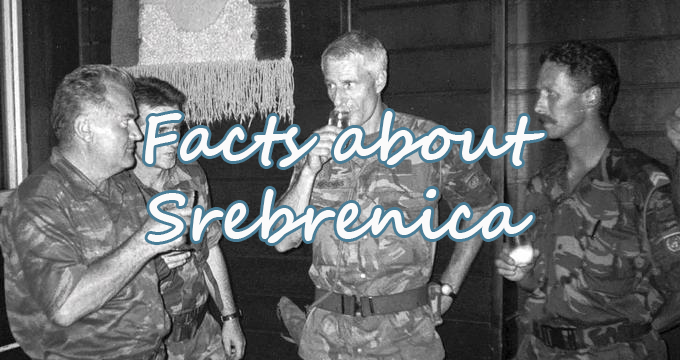
In June 2005, during cross-examination of a witness in the case against Slobodan Milošević[1] at the International Criminal Tribunal for the former Yugoslavia, the court viewed video footage showing a Serbian
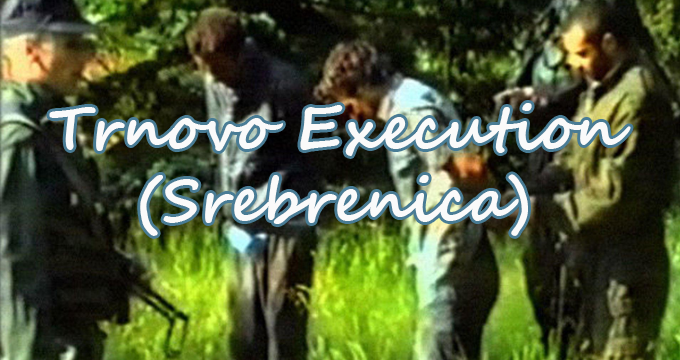
The cold-blooded killings, which occurred in the village of Trnovo after the fall of the eastern enclave of Srebrenica, were video-taped by the Scorpions, who can be seen laughing, smoking and taunting their
Early History
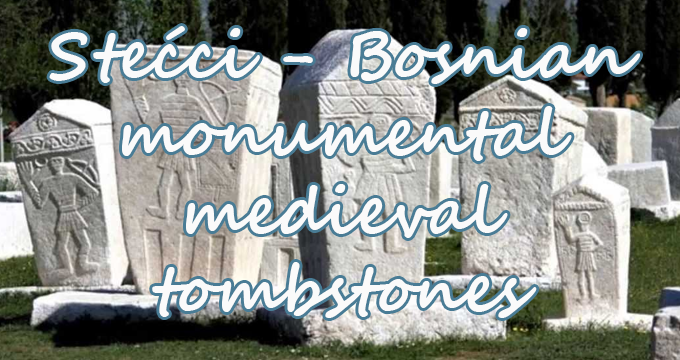
Stećci are monumental medieval tombstones that lie scattered across the landscape of Bosnia and Herzegovina. They are the country's most legendary symbol. These are the tombstones of those who lived between the
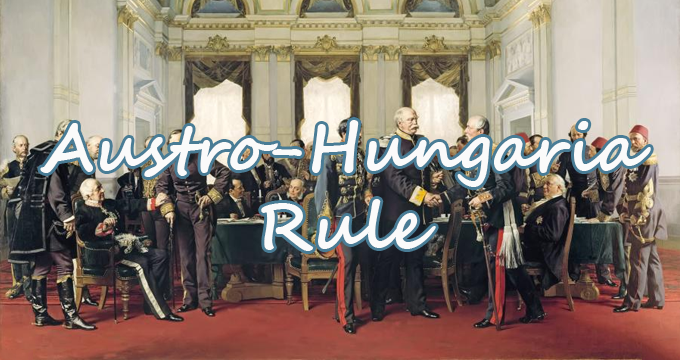
Russia and the Habsburg monarchy had vied for political and economic influence in Southeastern Europe since the eighteenth century. Ottoman weakness, growing Russian influence in the area, and the realization that
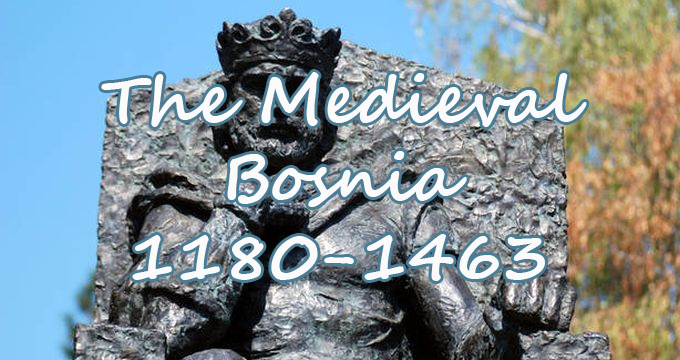
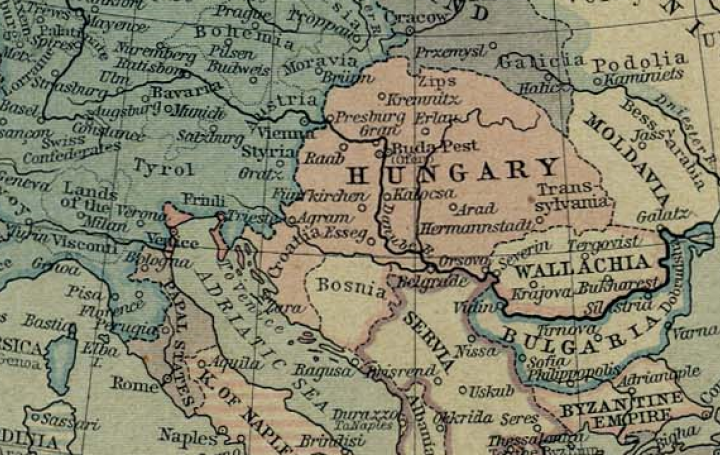
The history of Bosnia in the high middle ages is frequently confused and confusing. But three powerful rulers stand out: Ban Kulin (who ruled from 1180 to 1204), Ban Stephen Kotromanić (1322-1353) and King Stephen
Modern History
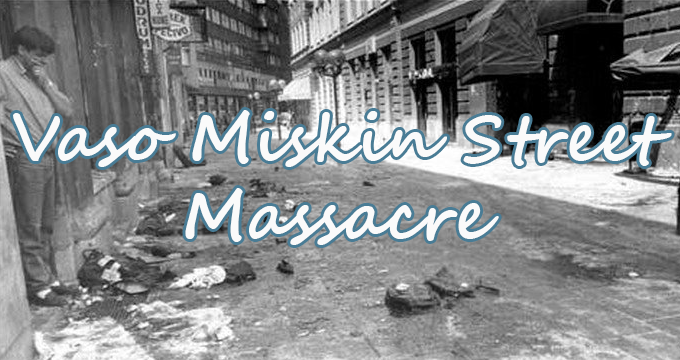
Massacre in Vaso Miskin Street is one of the worst war crimes in the history of Sarajevo, which was committed by the Serbian Army on the 27th May 1992 against civilians who were waiting in line for bread.
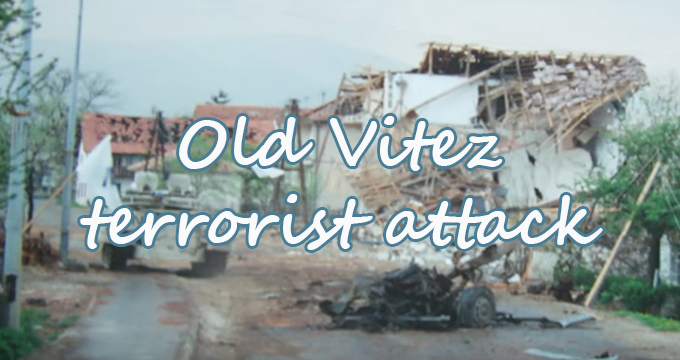
The fighting in Vitez continued after April 16, 1993. The old town of Stari Vitez (or Mahala as it called) remained in Bosnian government hands. However, the HVO surrounded it and subjected it to siege and
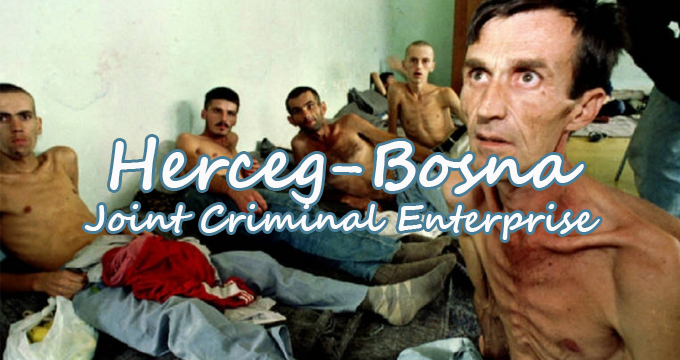
The Croatian Republic of Herzeg-Bosnia (Bosnian: Hrvatska Republika Herceg-Bosna) was an unrecognised entity in Bosnia and Herzegovina that existed between 1991 and 1994 as a result of secessionist
Current Affairs
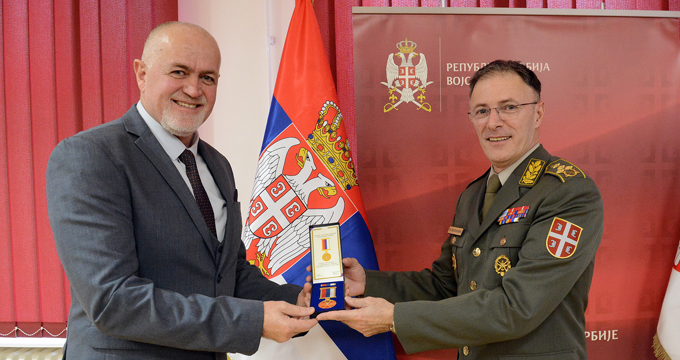
The Chief of the Serbian Armed Forces General Staff, General Milan Mojsilović, received a delegation of the Club of Generals and Admirals of Serbia, led by the President of the Club, retired General Milomir Miladinović.
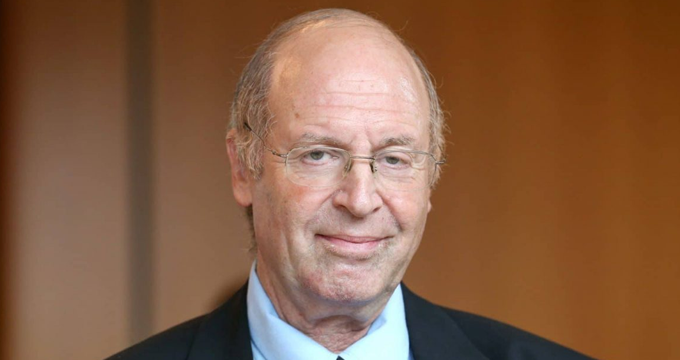
Israeli academic Gideon Greif was the head of the Independent International Commission of Inquiry (Greif Report). The commission was set up at the initiative of Milorad Dodik (Serb nationalist leader), a former prime
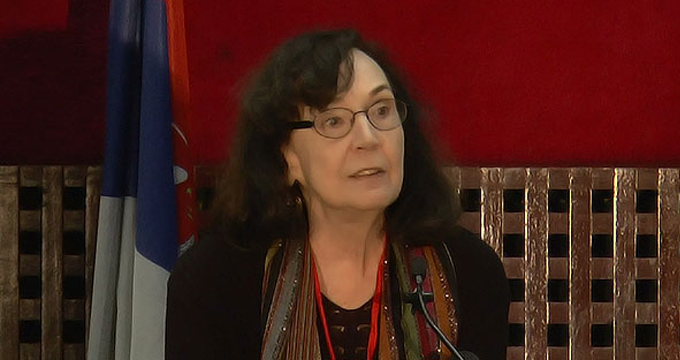
Well, I am very much a genocide denier, and I’m proud of it and I can say why. Yes, because what happened was not a genocide. Note that denying “genocide” means denying an interpretation, not the facts, whatever they are.